Stockroom: redefining the civic heart through co-creation
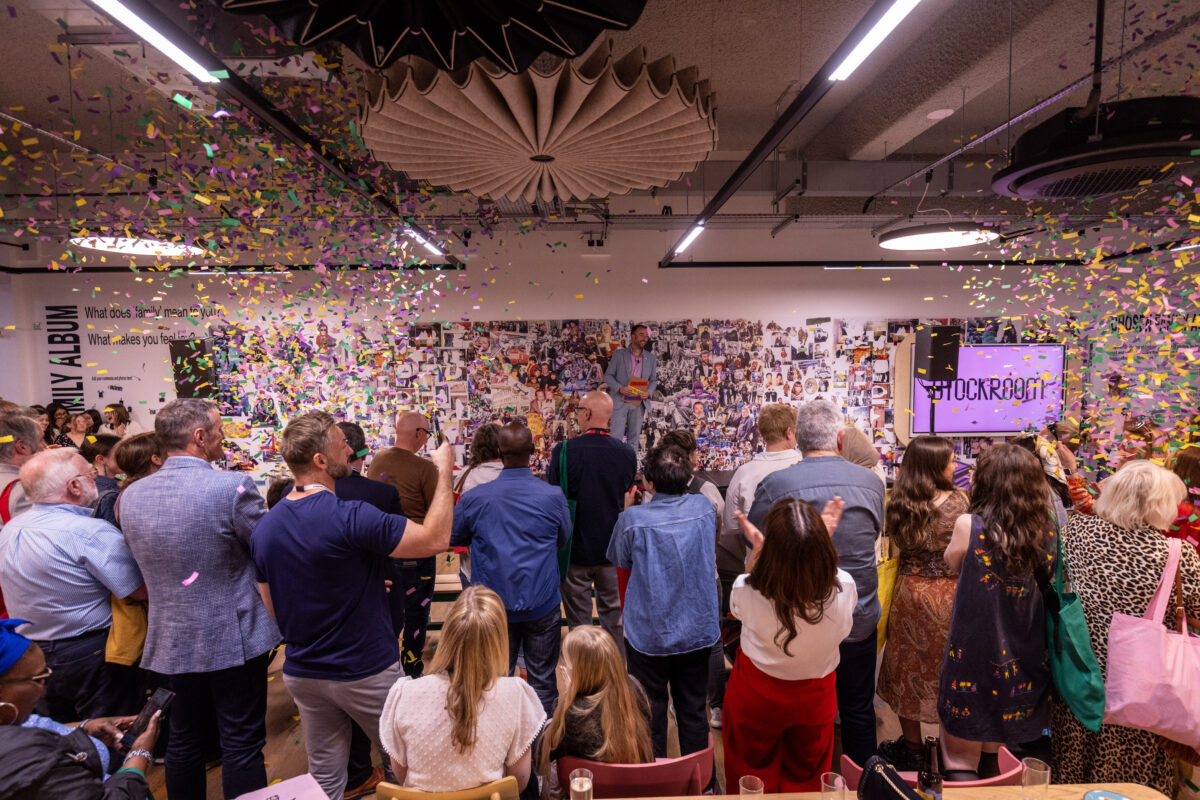
Across the UK, high streets have become symbols of loss, with shuttered shops and declining footfall.
When Stockport Council purchased Merseyway Shopping Centre in 2016, it faced this same reality. But rather than waiting for the market to correct itself, the council chose a different path. Treating the decline of traditional retail not as a problem to be patched, but an opportunity to rethink the purpose of the high street itself, one rooted in community and shared public space.
The result is Stockroom. Opened in May 2025, it transformed a former retail block into a cultural and civic hub. But Stockroom is not simply a building project, it is a blueprint for how we design future civic spaces – built by, with, and for the people.
From consultation to shared power
Crucially, Stockroom was shaped through deep community involvement that went far beyond standard consultation. The aim was to share power in how civic spaces are formed.
Hundreds of residents contributed through “Stockroom Socials,” workshops, and pop-up sessions. Young people co-designed the furniture, local artists collaborated on public art, and families dictated how spaces for under-fives should feel. While this openness made the project more complex – requiring the negotiation of competing priorities and significant trust-building – it granted Stockroom a legitimacy and pride that no top-down design could have achieved.
Challenging the public service model
Stockroom demonstrates that where a public service is delivered changes how it is experienced. The project challenges the classic delivery model by proving that cultural infrastructure can double as social infrastructure.
At its heart is a commitment to providing services in ways that are welcoming and non-stigmatised. As a cornerstone of Stockport Live Well, Stockroom integrates support into everyday life. For example:
- Stockbaby: parents can register a birth in a relaxed, family-friendly environment, with access to breastfeeding advice, baby facilities, and opportunities to connect with other new parents.
- Work & Skills drop-in: support with job searching, CVs, training and volunteering in a welcoming, informal setting.
- Creative and inclusive programming: from music jamming sessions for disabled people and their friends, to arts and community workshops that bring people together.
- Enhanced warm spaces provision: a thoughtfully delivered weekly social with games and puzzles, which destigmatises the service while tackling loneliness
Stockroom also offers a community-powered creative programme, with youth music gigs, comedy nights, zine-making workshops and family jam sessions. There are rotating exhibitions on gallery walls and digital screens, showcasing a range of work from local students and community groups to established artists, and hands-on workshops to support deeper engagement through art and play. In addition, Stockroom holds community-led cultural events, marking occasions such as Windrush Day, Pride, and other civic celebrations, ensuring the programme reflects the voices and stories of Stockport’s people.
Integration with place
Backed by £14.5m from the Future High Streets Fund, Stockroom was not conceived in isolation, it builds on Stockport’s position as Greater Manchester Town of Culture 2023/24 and the town’s emerging independent creative identity.
Stockroom sits alongside the Merseyway Innovation Centre and the flexible, workspace STOK, which supports start-ups and small businesses. Together, these projects are redefining how town centres can function – not just as commercial zones, but as places for connection and belonging.
Stockroom symbolises what’s possible when a community and its council share a vision. It’s not just a building – it’s a statement of confidence in the power of creativity as a driver for Stockport’s future and in the meaningful co-creation of civic spaces with communities.
Impact of doing things differently
The results validate this approach. In its first ten weeks, Stockroom welcomed over 250,000 visitors. Library membership has surged by 79%, book loans are up over 50% and local businesses have seen increased footfall. And more importantly, Stockroom is widely recognised and used as a place where people feel they belong.
For local government, the lesson is clear: projects like Stockroom require a mindset shift from control to collaboration. It took political courage to see value in a creative space where others saw empty retail and trust to hand design decisions to residents.
Stockroom offers a clear proposition for the future. Don’t wait for the market to fix your high street; shape it around the people who use it. By reframing value not just as economic recovery, but as civic renewal, town centres can once again become places where people come not only to shop, but to live, learn, meet, and belong.
Of course, Stockroom is not the sole answer to the challenges facing the high street, but it does offer a clear example of the potential future for civic spaces, and how they can support the wider ecosystem of culture, economy, learning and community life.
Photo Credit: James Speakman/PA Media Assignments
 Join our mailing list