Building a cross-London community of women in local government
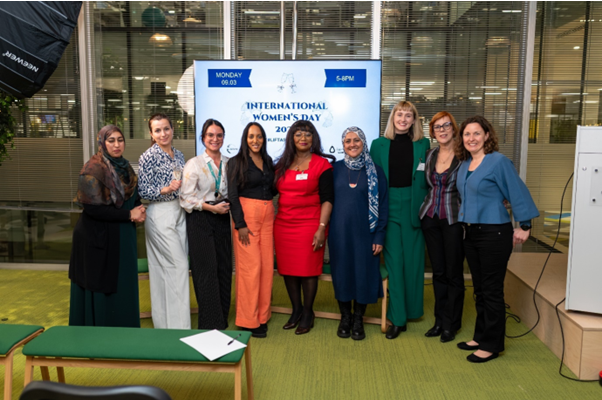
Following the London Boroughs Women’s Network’s win at the LGC Awards 2026, members of the Chair Committee share the story behind its growth and explain how they’ve built cross-borough collaboration through voluntary effort.
When the London Boroughs Women’s Network (LBWN) won the Diversity & Inclusion Award at the LGC Awards 2026, as members of the Chair Committee, we were incredibly proud. But for those of us involved in running the network, the recognition wasn’t really about winning an award. It was recognition of a movement that hundreds of women across London local government have built together through collaboration, generosity, and volunteer effort.
LBWN is a volunteer-led network connecting women from all 32 London boroughs and the City of London Corporation. Today, we have almost 600 members and have engaged more than 1,000 women through events, partnerships and cross-borough activities.

What makes the network different is that it was created to address a gap many of us had experienced first-hand. Most councils have internal women’s networks, and they play an important role. But many operate in isolation from one another. We saw an opportunity to create something that connected women across borough boundaries, enabling us to share knowledge, learn from each other, and create opportunities that wouldn’t exist within individual organisations.
That need feels particularly relevant in local government today. Across London, we’re often working on similar challenges around workforce development, inclusion, leadership and organisational culture. Too often, though, we solve those challenges separately. We wanted to create a space where good ideas could travel more easily across the system.
Over the past year alone, we’ve delivered eleven major events, both online and in person, covering topics including leadership, confidence, public speaking, wellbeing and women’s health. More than 20 volunteers and over 20 partner organisations and speakers have helped make those events possible, all without dedicated funding.
What has made these events so valuable is the opportunity to hear directly from women whose leadership journeys reflect both the opportunities and challenges of working in public service. Recent speakers have included Zoe Garbett, now the Green Mayor of Hackney; Debbie Weekes-Bernard, former Deputy Mayor for Social Integration, Social Mobility and Community Engagement and former Deputy Mayor for Policing and Crime; and a number of senior local government leaders, including Dawn Carter-McDonald, Chief Executive of Hackney Council, and Alison Griffin, Chief Executive of London Councils. Alongside these events, LBWN has benefited from the sponsorship and support of council chief executives including Helen Bailey at Sutton, Kim Wright at Brent, Victoria Lawson at Islington, and Jenny Rowlands, formerly of Camden and now at the Local Government Association.
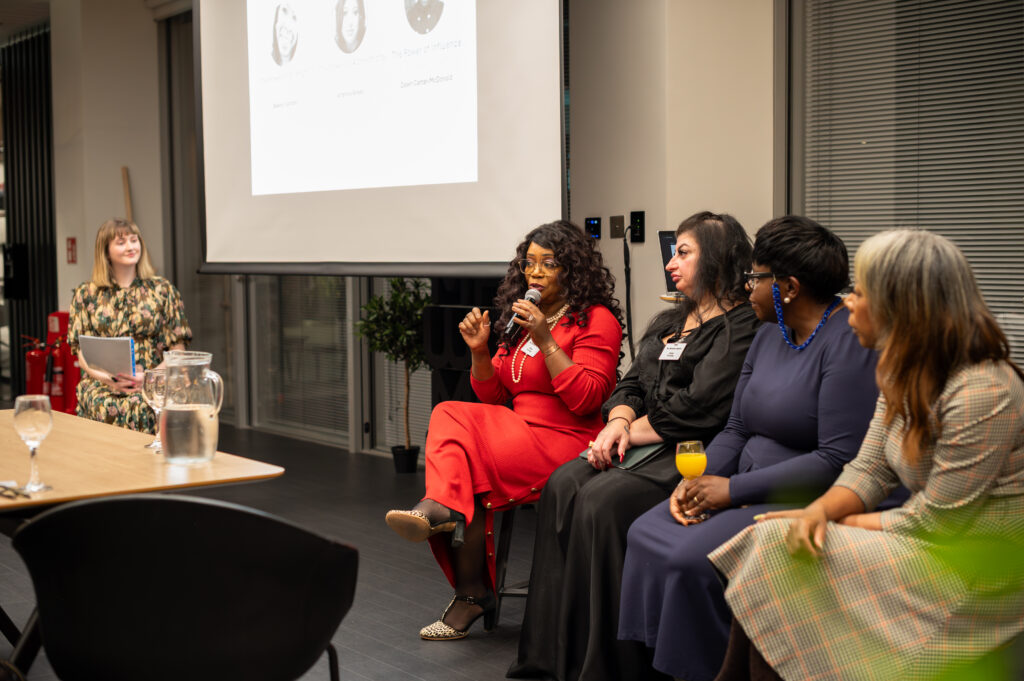
The conversations we have with these women are often refreshingly honest. As well as discussing leadership, they speak openly about the realities of their careers: experiences of unconscious bias, occasions where they faced outright prejudice, balancing family responsibilities with demanding jobs, and the challenge of being taken as seriously as male counterparts. Hearing these stories has helped many women in our network see that the barriers they encounter are not individual failings, but experiences shared by others who have successfully navigated similar challenges.
Sometimes the impact of those conversations is immediate. At a recent event, one member shared that hearing a chief executive speaker talk candidly about her career journey inspired her to take the plunge and apply for a role in that organisation. She was successful and now reports directly to that same leader. Without LBWN, she told us, she may never have had the confidence to make that move.
One of the most rewarding aspects of the network is seeing expertise that exists within one borough benefit women across London. Rather than every council designing separate programmes or events, we can amplify what already works. A successful discussion, keynote speaker or policy insight can reach hundreds more people through the network.
That same principle applies to policy and practice. Over time, the network has become a trusted space where boroughs can share emerging approaches, test ideas and learn from one another. This has helped reduce duplication and accelerate improvements. Examples include learning and benchmarking within the LBWN Policy Steering Group that contributed to enhanced maternity pay in Redbridge and the development of Waltham Forest’s fertility treatment policy. By creating opportunities for practitioners to connect, discuss and learn from one another, good practice can spread more quickly across the sector.
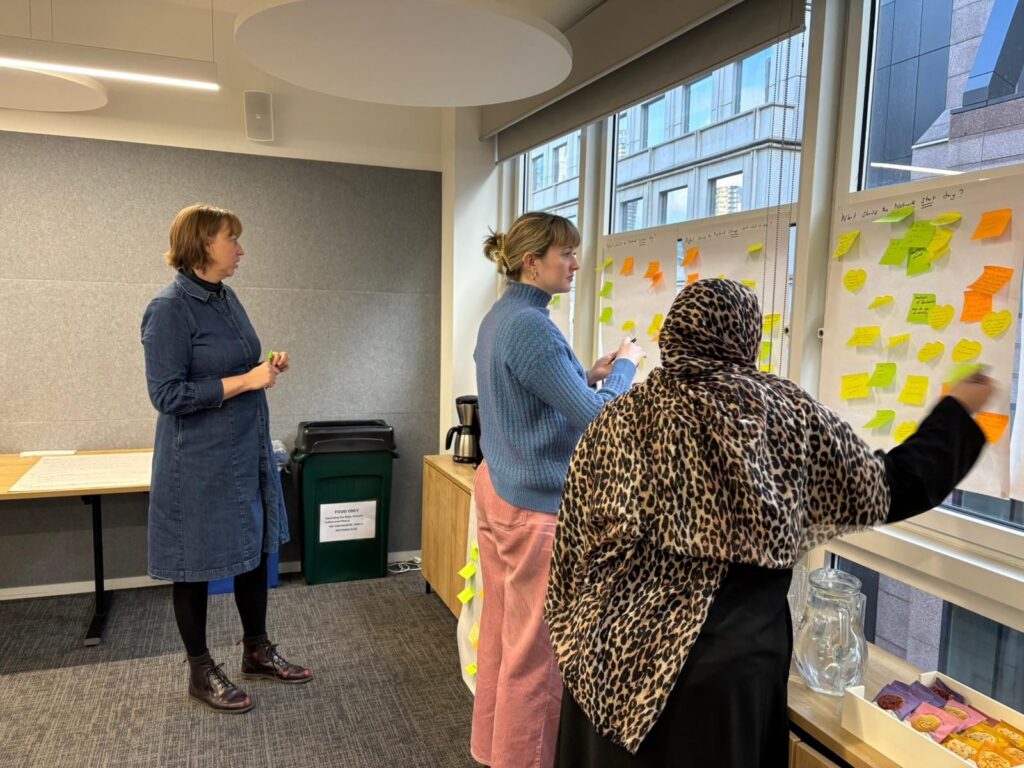
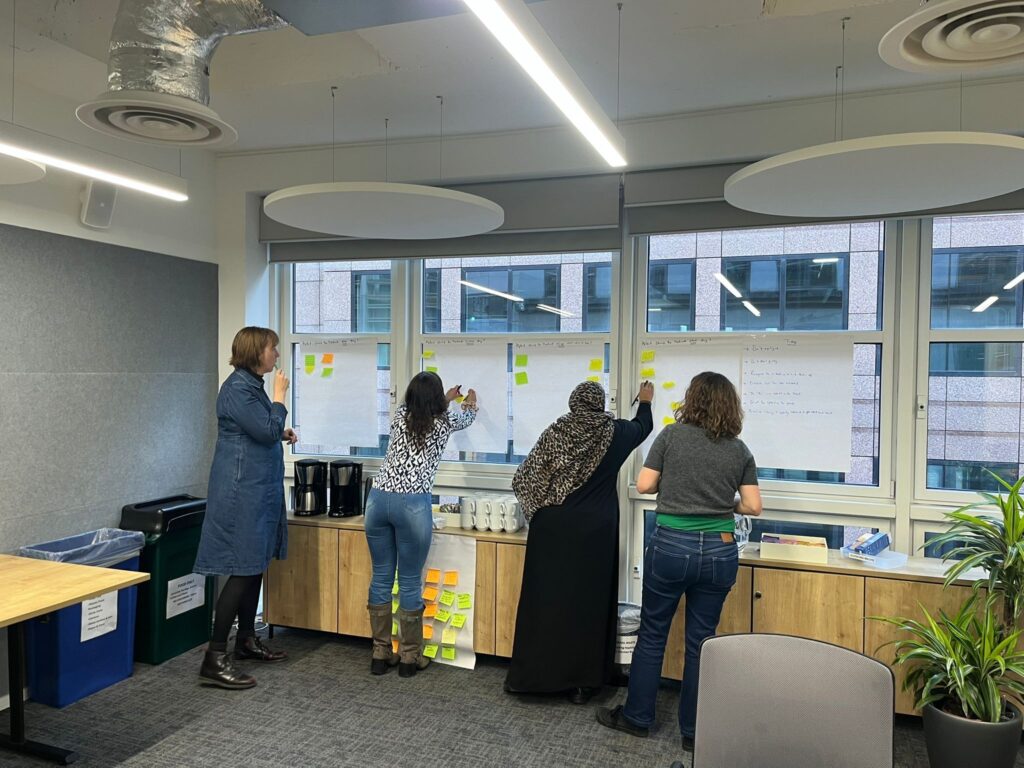
While we’d hoped the network would help people connect professionally, the biggest impact has often been personal. Many members tell us that LBWN has increased their confidence, helped them feel less isolated, and encouraged them to pursue opportunities they might otherwise have overlooked. Others have built mentoring relationships, expanded their professional networks, or found role models whose experiences helped them see a path forward in their own careers.
Of course, building a pan-London network has not been without challenges. LBWN has no dedicated staff team, no operational budget and no formal programme infrastructure. Everything is delivered alongside our day jobs. The steering group balances network responsibilities with demanding roles in policy, organisational development, communications, equality ;and leadership across the public sector.
One of our biggest lessons has been the importance of collective leadership. Rather than relying on a single individual, we’ve built a model where responsibilities are shared and people step in for one another when capacity fluctuates. The network has survived and grown because leadership is distributed across a group of committed volunteers rather than concentrated in one place.
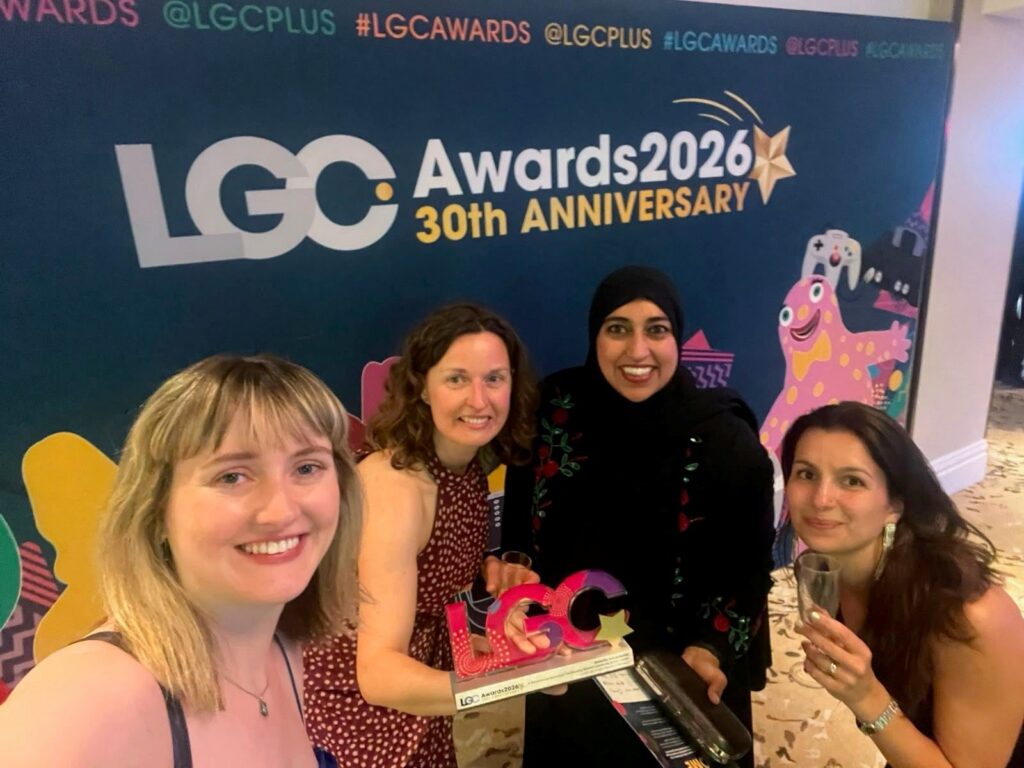
Winning the LGC Award was a significant milestone, but it is only part of the story. We’re now working on plans for a cross-London mentoring programme to support more women into senior leadership roles, expanding our volunteer base, and developing stronger evidence about the impact that the network is having across London local government.
At its heart, however, LBWN remains focused on a simple idea: when women connect across organisational boundaries, share what they know, and support one another’s development, everyone wins.
See our video of some of our members at a recent event to learn more about the impact of the London Boroughs Women’s Network.
 Join our mailing list