Rethinking neighbourhood health: how Malvern Hills is building community power through wellbeing hubs
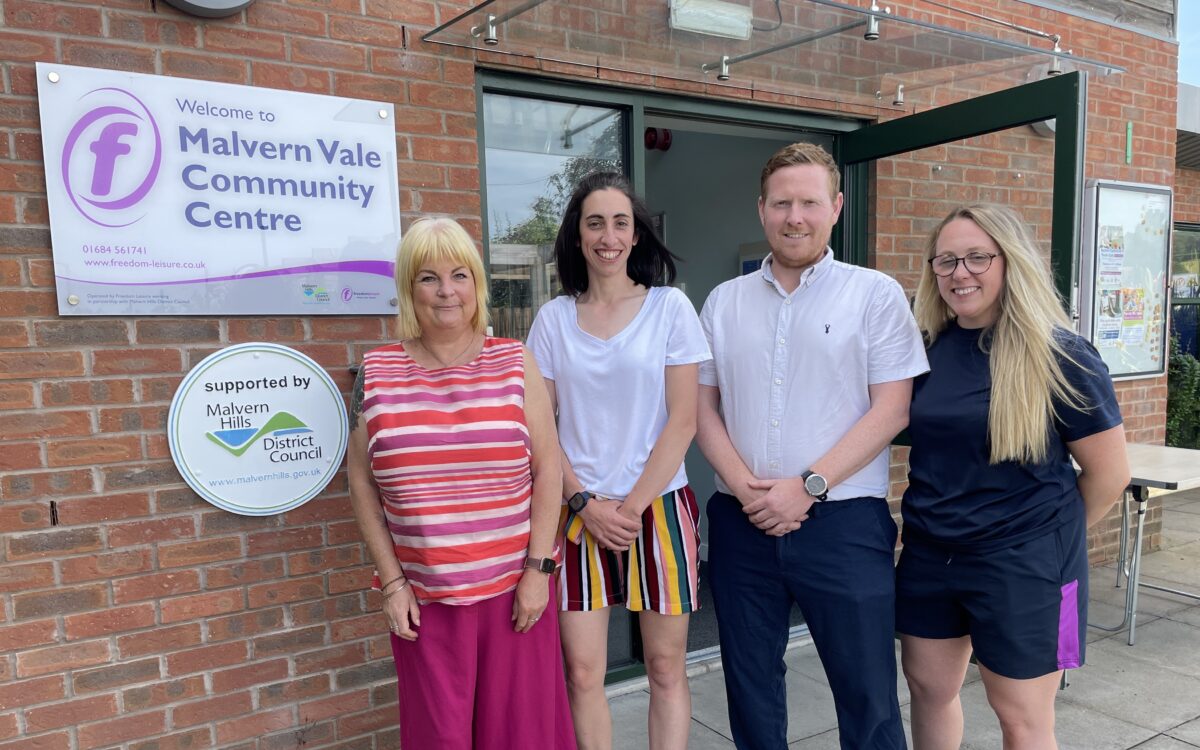
In this guest blog, Malvern Hills District Council shares how a growing network of local venues is helping shift wellbeing support from a distant, reactive service into something rooted in the everyday places communities already trust.
Across Malvern Hills, a quiet transformation is taking shape, one that is being shaped as much by communities as by institutions.
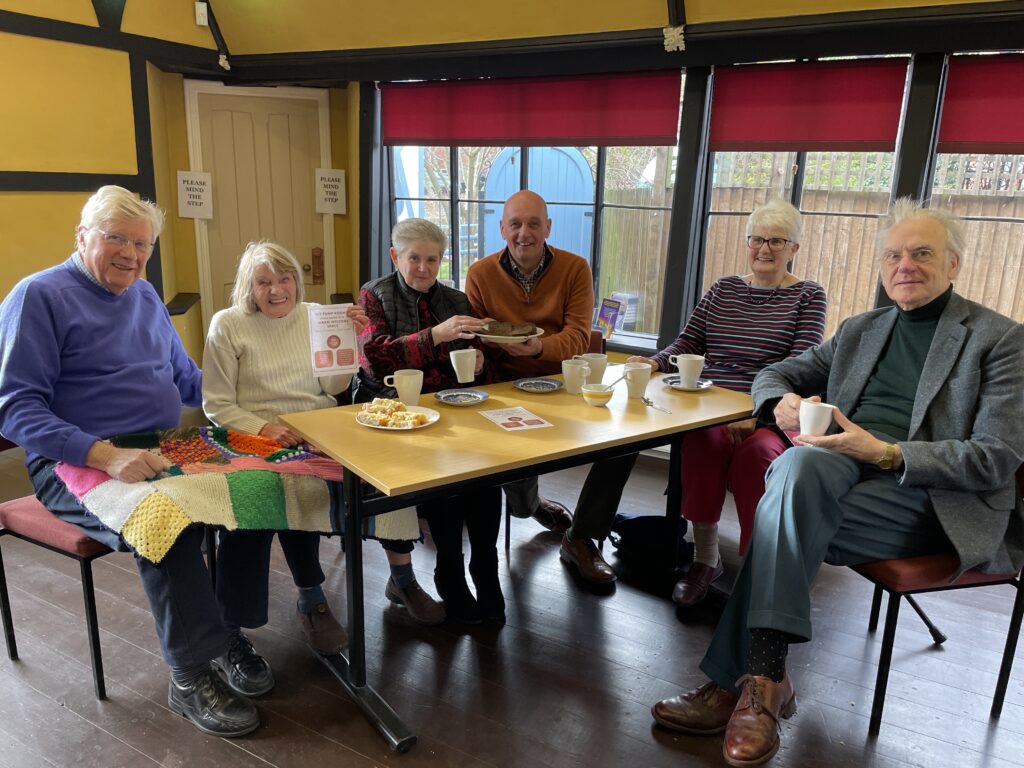
More than 50 local venues, from leisure centres and theatres to village halls and church buildings, are becoming part of a growing network of community wellbeing hubs. Together, they are reshaping how health and support are experienced, not as something distant or formal, but as something embedded in the places people already know and use.
Led by Malvern Hills District Council (MHDC), this work reflects a broader ambition: to shift from a system that reacts to need, to one that builds the strength, confidence and capability of communities to support wellbeing from within.
The approach was showcased at the Local Government Association (LGA) Conference Innovation Zone, where Malvern Hills shared how community power, local partnerships and existing assets can help rethink neighbourhood health. The session highlighted how a place-based model, built around trusted spaces and strong relationships, can support prevention, improve access and enable communities to play a greater role in shaping their own wellbeing.
From local spaces to local power
At its core, this is not about new buildings or services, but about unlocking the potential of existing community assets.
Rather than centralising provision, MHDC is working with residents, partners and local organisations to adapt familiar spaces into places where people can:
- stay active and improve physical health
- access mental health support in everyday settings
- receive advice on housing, finances and cost-of-living pressures
- build relationships and reduce isolation
These hubs are intentionally informal and locally rooted, designed to feel part of daily life rather than separate from it.
This approach is particularly important in rural areas, where distance, transport and connectivity can make access to services more difficult. By embedding support locally, help becomes more visible, more familiar, and easier to access earlier.
A network built through collaboration
This model has developed through strong place-based partnerships, aligned with the wider direction of NHS England’s neighbourhood health approach.
A key foundation has been the transformation of council-run leisure facilities with Freedom Leisure, expanding health referral activity and supporting staff to take a more holistic view of wellbeing.
Rob Tyler, Area Manager, Freedom Leisure said: “Community wellbeing is at the core of everything we do. By working alongside Malvern Hills District Council, we are creating welcoming spaces where people can improve their health, build confidence, and connect with others. These hubs are helping people take positive steps earlier, before issues escalate.”
Cultural partners are also playing an important role. At Malvern Theatres, engagement through arts and culture is helping reach people who may not engage with traditional services.
Tamar Thompson, Chairperson, Malvern Theatres, said: “Arts and culture offer a different route into wellbeing. By opening our spaces and working with partners, we’re helping to make wellbeing support more accessible, engaging and part of everyday life in the community.”
Primary care remains closely connected through local networks such as Malvern Town Primary Care Network (PCN), ensuring that community support complements clinical care.
Dr Jonathan Thorn, Clinical Director, Malvern Town PCN, explained: “Neighbourhood health is about meeting people where they are. These hubs allow us to connect patients to a much broader range of support, helping address not just medical needs, but the social and economic factors that affect health.”
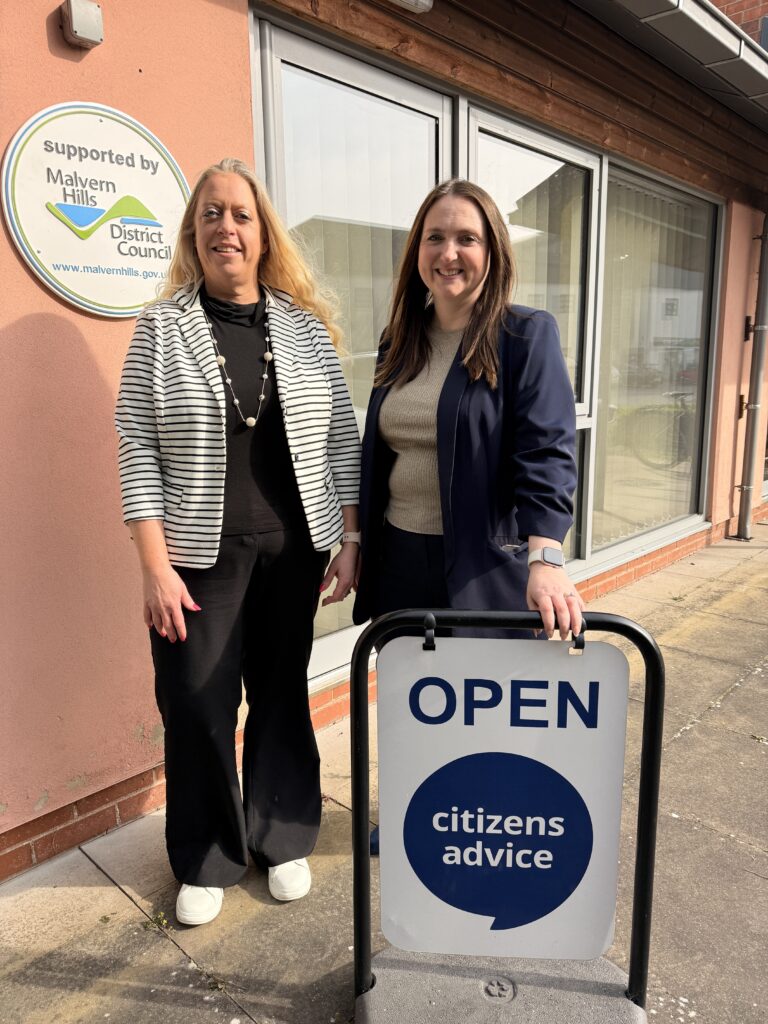
Alongside this, organisations including Citizens Advice, Age UK and Platform Housing Group provide essential support, particularly around financial wellbeing, while Community Action helps sustain local involvement and community capacity.
Prevention that starts with people
What distinguishes this approach is its focus on prevention through everyday access.
By embedding support in trusted community settings, people are more likely to engage early, whether through a class, a local activity, or a conversation that leads to further help before issues escalate.
This is especially significant in rural communities, where challenges can be less visible and support harder to reach.
The model recognises that health is not solely clinical. Physical health, mental wellbeing and financial security are closely linked, and communities are often best placed to recognise and respond to emerging needs.
Growing a movement, not just a model
Looking ahead, Local Government Reorganisation offers an opportunity to expand this network further, including potential integration with libraries and other community infrastructure.
However, the greater opportunity lies in strengthening community leadership, building local capacity, and enabling residents to play a more active role in shaping the support around them.
This work has already received national recognition, including positive feedback from the Local Government Association, highlighting both the strength of partnership working and the council’s commitment to prevention through connected communities.
Shaping the future of neighbourhood health
As neighbourhood health continues to evolve, Malvern Hills is demonstrating a practical, place-based approach rooted in relationships, not just systems.
This is not about creating new services, but about connecting what already exists, and recognising communities as active partners in health and wellbeing, not passive recipients of care.
In doing so, MHDC is showing how local government can go beyond traditional service delivery to support stronger, more resilient communities, where support is local, relationships matter, and wellbeing is something created together.
 Join our mailing list